

How Customer Service Integration Code Affects Conversion
After integrating an online customer service code on your company website, visitors can initiate inquiries at any time, and timely answers can reduce abandonment. However, the implementation method, placement, and settings of the code directly impact conversion effectiveness. Proper use of the customer service integration code helps increase user dwell time and purchase intent.
Key Settings to Boost Conversion
1. Code Placement
The customer service code is typically placed in the website header or footer to ensure full-site loading. It is recommended to load the code asynchronously after the main page content has loaded to avoid slowing down the initial screen. For important pages (such as product pages or checkout pages), consider making the customer service button more prominent.
2. Response Speed and Auto-Reply
The customer service code should support fast response. When agents are offline, configure a smart chatbot or a message form to prevent visitors from leaving after waiting. Auto-reply messages should be concise and friendly, guiding users to leave contact information or select common questions.
3. Proactive Invitation Design
Set reasonable proactive invitation rules, such as popping up a greeting when a user stays for more than 30 seconds or visits a specific page. However, avoid excessive invitation frequency to prevent disturbing users. The invitation copy should be natural, like 'Hello, how can I help you?'
4. Mobile Adaptation
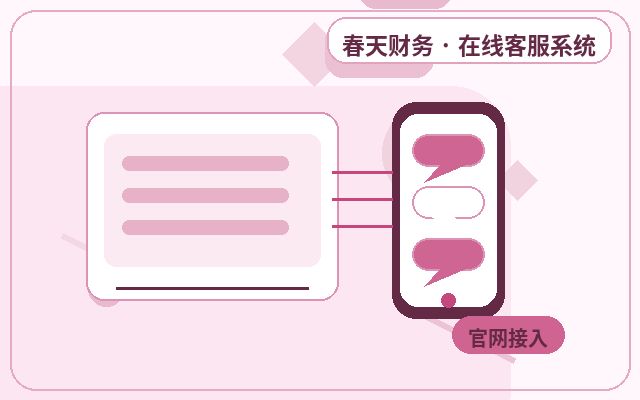
Ensure the customer service code displays correctly on mobile devices, with buttons sized for touch operations. The proportion of mobile users making inquiries is increasing, and adaptation issues directly affect conversion.
Important Notes
- Avoid overusing pop-ups or forcing inquiries to prevent user annoyance.
- In terms of compliance, avoid promising specific results or providing false information in customer service conversations.
- Regularly test whether the code loading affects website performance and optimize promptly.
Optimize Customer Service Workflow Based on Business Needs
Different business types have different customer service requirements. For example, e-commerce sites focus on pre-sale inquiries and order issues, so place the customer service code on the shopping cart page; service-oriented sites focus on appointments and consultation, so embed an appointment form in the customer service chat. Adjust quick reply content based on user inquiry hotspots to improve efficiency.
Summary and Recommendations
The customer service integration code itself does not directly boost conversion, but reasonable settings for code placement, response methods, invitation strategies, and mobile experience can effectively enhance user satisfaction and conversion probability. It is recommended that companies regularly analyze customer service data, optimize scripts and workflows, so that the customer service function truly serves conversion goals.