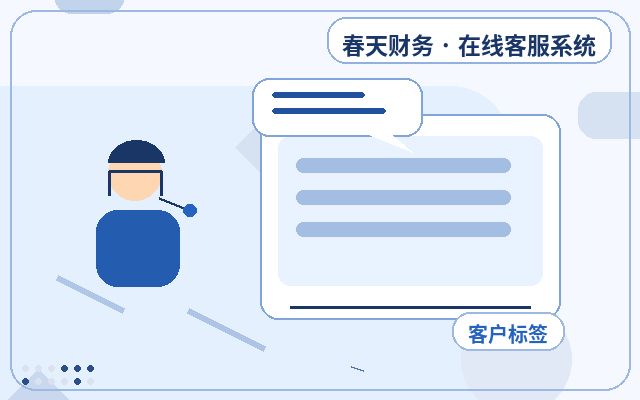


The Relationship Between Landing Pages and Customer Service Systems
A landing page is the page users see after clicking an ad. Its core goal is to attract users to leave leads or complete inquiries within a limited time. A customer service system, as an instant communication tool, helps businesses proactively engage with hesitant users, answer questions, and thus increase conversion potential. For SMEs, choosing a lightweight, easy-to-deploy, and functional customer service system is especially important.
Choosing the Right Customer Service System
Common customer service systems for SMEs typically support web plugins, mobile management, visitor identification, and auto-replies. When selecting, consider the following:
- Deployment Method: Prioritize SaaS systems that offer JS code or plugin installation, requiring no additional development.
- Functional Needs: Basic features like live chat, offline messaging, and visitor source tracking are sufficient; avoid pursuing complex automation.
- Cost and Scale: Charged by agent count or message volume, start with a free version or low-cost plan, and upgrade later as needed.

Steps to Install on a Landing Page
Most customer service systems provide a universal installation method: simply embed a piece of JavaScript code into the page's head or body tag. The specific steps are:
- Register for a customer service system account, create a website project, and obtain the installation code.
- Log in to the landing page backend (e.g., website builder, CMS, or code editor) and locate the page editing area.
- Paste the code at the bottom of the page (e.g., before