


Key Factors for Ensuring Long-Term Stability of Lead Registration Systems
For small and medium-sized enterprises (SMEs), the lead registration form on their official website is a vital channel for acquiring potential customers. To achieve long-term stable use, it is necessary to consider multiple aspects, including technology, processes, and management. This article starts with several core areas to help businesses build a reliable and sustainable lead registration system.
Choosing the Right Lead Registration Method
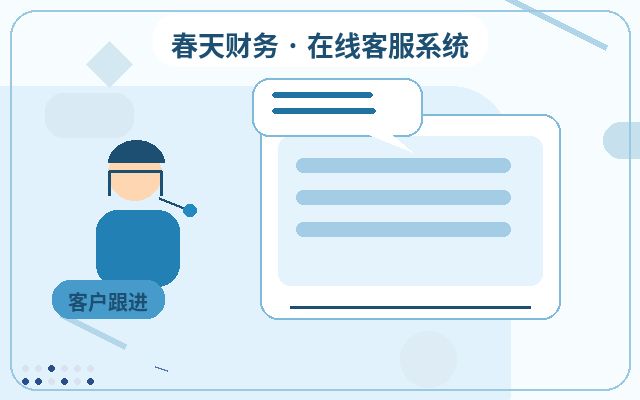
Common methods for lead registration on websites include online forms, instant messaging tools, embedded customer service systems, and booking systems. The choice depends on the business type and customer habits. Generally, online forms are the most basic and stable option, while integrating a customer service system can improve response times. It is recommended to prioritize mature third-party platforms or self-built systems that offer good scalability and data backup capabilities.

Optimizing Form Design and User Experience
Form design directly impacts user willingness to fill it out and data quality. Keep fields to a minimum, typically 5-8 essential pieces of information, such as name, contact details, and a brief description of needs. Additionally, forms should be mobile-friendly, load quickly, and provide clear submission feedback (e.g., a success message). Regularly test form compatibility across different devices and browsers to avoid losing leads due to technical issues.
Establishing Data Management and Backup Mechanisms
Lead data is a valuable asset for businesses. It is advisable to regularly back up databases and set up automated backup strategies. At the same time, classify and tag leads for easier follow-up. Data storage should comply with relevant privacy regulations, such as obtaining user consent and clearly informing them about data usage. Long-term stable use relies on data security and traceability.
Continuous Monitoring and Performance Optimization
Regularly check the operational status of the lead registration system, including form submission success rates, response times, and server load. Use monitoring tools to set up anomaly alerts and address issues promptly. As the business grows, you may need to upgrade servers or optimize code. Keeping the system updated and fixing known vulnerabilities is also crucial for stable operation.

Addressing Common Issues and Risks
Common problems include form submission failures, data loss, and malicious submissions. It is recommended to add anti-spam mechanisms (e.g., CAPTCHA, timestamp verification) and set submission frequency limits. Establish a quick response process for user-reported issues. Also, develop contingency plans, such as alternative contact methods (e.g., backup email or phone number) during system downtime, to ensure lead collection continues uninterrupted.
Regular Evaluation and Iteration
The lead registration system should not remain static. Based on business changes and user feedback, regularly assess whether form fields are reasonable, the process is smooth, and conversion rates meet targets. For example, try A/B testing different form layouts to optimize user conversion paths. Continuous iteration is key to maintaining the system's effectiveness and stability over the long term.
Conclusion
The long-term stable use of lead registration on SME websites requires a combination of technology selection, user design, data management, and ongoing maintenance. By following these recommendations, businesses can build a reliable and efficient lead registration system, laying a solid foundation for subsequent customer follow-up and business growth.