

Many companies invest in building a polished website, only to find that visitors come and go without leaving effective leads, resulting in disappointing conversions. Behind this, the lack or inefficiency of communication channels is often a key reason. This article explores common communication issues on corporate websites and analyzes how live chat SaaS systems provide targeted solutions.
What Is Live Chat SaaS?
When exploring live chat SaaS articles, it's more valuable to focus on whether the reception process is smooth, whether consultation records are complete, and whether subsequent collaboration is convenient.
Live chat SaaS is a cloud-based software solution. Companies don't need to develop or deploy complex servers themselves; instead, they can embed a fully functional online communication window into their website, app, or mini-program through a subscription model. Its core purpose is to provide a centralized, efficient platform for receiving visitors, answering questions, managing conversations, and converting opportunities.
Common Website Communication Issues and SaaS Solutions
Below, we use a "problem + direct answer + supplementary explanation" structure to analyze website pain points and their solutions.

Issue 1: Visitors leave quickly with high churn rates, and you don't know who they are or what they need.
Direct Answer: Live chat SaaS offers proactive invitations and real-time conversations, enabling you to actively engage silent visitors and gather basic information and needs through dialogue.
Supplementary Explanation: The system can set trigger rules. For example, when a visitor stays on a specific page for a long time or shows certain behaviors (like repeatedly checking pricing pages), a chat invitation window can automatically pop up. A timely "Hello, how can I help you?" can turn a departing visitor into a valuable inquiry.
Issue 2: Potential customers leave contact information, but follow-up is delayed, causing leads to go cold.
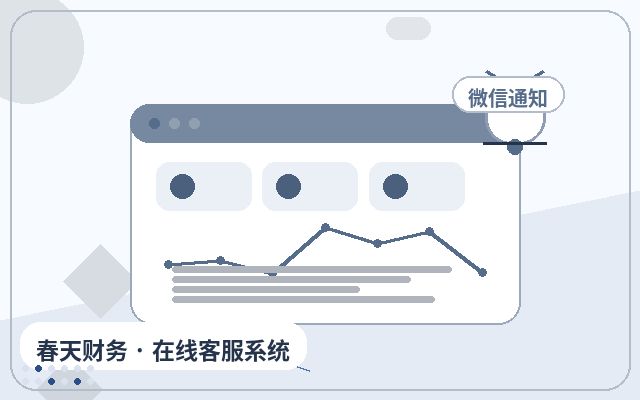
Direct Answer: Live chat SaaS features automatic lead capture and assignment, and can integrate with tools like WeChat for instant notifications, ensuring the sales team follows up promptly.
Supplementary Explanation: Phone numbers, WeChat IDs, or emails left by visitors during conversations are automatically recorded by the system and turned into lead cards. Some systems support immediate notification to designated sales staff via WeChat after lead capture, significantly reducing response time and improving lead conversion rates.
Issue 3: Inquiry volume fluctuates—agents are overwhelmed during peak times and underutilized during slow periods.
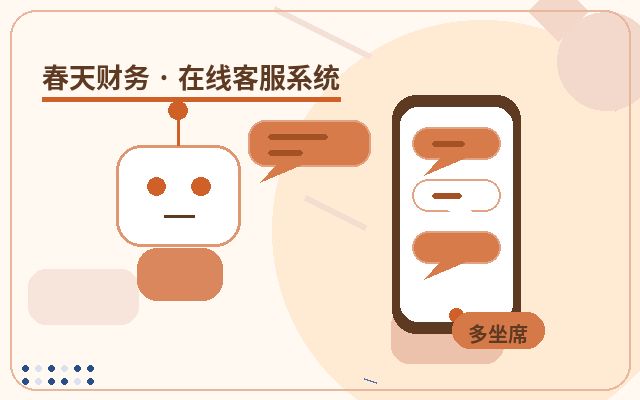
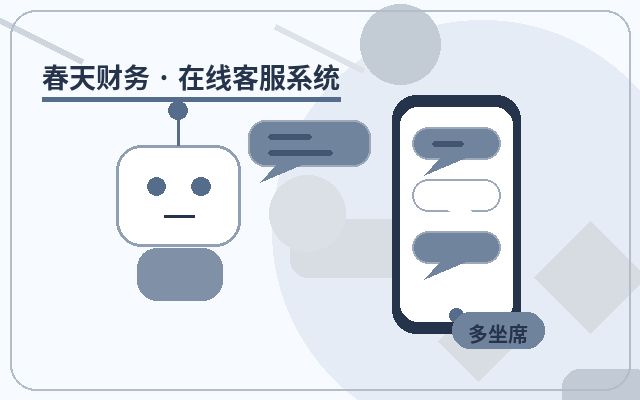
Direct Answer: Using the AI auto-reception and intelligent assignment features of the SaaS system, you can handle common questions 24/7 and balance agent workloads.
Supplementary Explanation: AI chatbots can manage a large volume of repetitive inquiries, such as "business hours," "product prices," or "shipping cycles." When human agents are busy, AI can first receive and pre-screen inquiries, then transfer complex issues to humans. This ensures round-the-clock service and optimizes the utilization of human agents.
Issue 4: Agent performance is hard to quantify, service quality varies, and management efficiency is low.
Direct Answer: The backend of live chat SaaS provides comprehensive data statistics and conversation monitoring features, helping managers quantify performance, standardize quality, and improve team efficiency.
Supplementary Explanation: Administrators can view each agent's metrics, such as number of conversations handled, response time, conversation duration, and customer satisfaction. They can monitor or review conversations in real-time for quality checks and guidance. Additionally, features like preset quick replies and conversation resource libraries help standardize service scripts and quality.
Overview of Common Live Chat SaaS Features
To better illustrate its capabilities, the table below summarizes core features of live chat SaaS and the website problems they address:
| Feature Module | Primary Function | Website Problem Solved |
|---|---|---|
| Multi-Channel Integration | Unifies inquiries from website, WeChat, app, etc., into one workspace | Scattered communication channels, inconsistent information |
| Real-Time Chat Window | Allows visitors to communicate via text/images without leaving the page | Inconvenient communication, high bounce rate |
| Proactive Invitation Triggers | Automatically pops up chat invitations based on visitor behavior rules | Passive waiting, missed proactive marketing opportunities |
| AI Auto-Reception | Bot automatically answers common questions or directs to human agents | No response during off-hours or when no agent is available |
| Lead Management & Assignment | Automatically captures visitor info, creates leads, and assigns follow-up | Disorganized lead records, delayed follow-up |
| Data Statistics & Analysis | Provides multi-dimensional reports on conversation volume, sources, conversion rates, etc. | Unmeasurable agent performance, no basis for optimization |
Basic Steps to Deploy Live Chat SaaS
- Needs Assessment: Identify the main communication pain points on your website, expected team size, and budget.
- Selection & Trial: Choose a suitable SaaS provider—usually offering free trials—to test stability and core features.
- Embed Code: Obtain a JavaScript code snippet from the provider's backend and add it to the HTML of all pages on your website.
- Backend Configuration: Set up company info, agent accounts, auto-replies, invitation rules, etc., in the SaaS backend.
- Team Training: Train your customer service team on using the workspace, quick replies, transfer processes, etc.
- Launch & Optimize: After going live, continuously refine invitation scripts, AI knowledge base, and reception processes based on data feedback.
Frequently Asked Questions
Which companies benefit from live chat SaaS?
It's especially suitable for companies with a website that requires customer inquiries, product introductions, sales conversions, or after-sales support. Whether B2B or B2C, in e-commerce, education, consulting, or manufacturing, any business with online communication needs can benefit. For small and medium-sized enterprises with limited budgets that want to quickly deploy professional customer service capabilities, the SaaS model with monthly subscriptions and no deployment/maintenance is a practical choice.
Will deploying a chat system affect website speed?
Reputable SaaS providers offer highly optimized, lightweight code that has minimal impact on page load speed—usually imperceptible to users. During selection, you can test the page load performance after embedding the trial code.
How can I control usage costs?
SaaS models typically charge per agent or feature version on a monthly or yearly basis. Start with a basic plan or a few agents, then scale up as your business grows. For example, solutions like Spring Live Chat offer a plan starting at $25/month with unlimited agents, supporting AI auto-reception and lead capture, with WeChat notifications upon lead acquisition. This provides a low-cost, viable path for small businesses to set up their own customer service system.
Conclusion
A corporate website is not just a showcase but should be an efficient hub for communication and conversion. Live chat SaaS systems, by providing real-time, proactive, and intelligent communication capabilities, can systematically solve common issues like visitor churn, missed leads, low reception efficiency, and management difficulties. Choosing the right SaaS tool and configuring it effectively can significantly enhance user experience and business value, turning every visitor into a potential conversion opportunity.
Why Businesses Need Live Chat SaaS
Many websites don't lack traffic; the problem is that traffic isn't captured in time. Short visitor dwell times, scattered inquiry channels, and no response during off-hours directly impact lead generation and sales. The greater role of live chat SaaS is to connect inquiry reception and follow-up into a complete chain.