

In the digital marketing era, a corporate website is not just a brand showcase but a core channel for acquiring potential customers. However, many websites face a common dilemma: a large number of visitors come and go without leaving effective contact information, resulting in lost business opportunities. The key to solving this pain point is equipping the website with an intelligent 'gatekeeper'—a lead conversion system. This article directly explains why enterprises need it and what specific changes it can bring.
What Is a Lead Conversion System?
Direct Answer: A lead conversion system is an intelligent communication and customer management tool integrated into a website, with the core goal of capturing visitor information and nurturing it into valuable sales leads.
Additional Explanation: It typically appears in forms such as live chat windows, forms, or AI chatbots. It not only handles inquiries but also spans the entire process of identifying visitor intent, interactively collecting information, preliminary screening and classification, and automatically assigning leads to appropriate sales personnel, forming an automated pipeline from traffic to business opportunities.
Why Should a Website Integrate a Lead Conversion System?
Direct Answer: Because the era of passive waiting is over; websites need to proactively capture every possible business opportunity and improve conversion efficiency.
Additional Explanation: Traditional website 'Contact Us' pages or email have long conversion paths and slow responses. After integrating a lead conversion system, the website becomes 'conversational,' able to initiate dialogues, answer questions instantly, and guide visitor behavior, thereby significantly shortening decision cycles and improving the quantity and quality of lead acquisition.
Which Enterprises Are Suitable for a Lead Conversion System?
Direct Answer: Almost all enterprises that rely on their website for inquiries and customers can benefit, especially B2B, education and training, consulting services, software SaaS, and e-commerce industries.
Additional Explanation: For businesses with high average order values and long decision cycles, the system can continuously nurture leads. For those with high traffic but low conversion rates, the system can improve personnel efficiency through automated screening. For example, some solution providers use such systems to accurately identify high-intent customers and prioritize follow-ups.
Why Do Enterprises Need a Lead Conversion System? (Core Value)
1. Capture Immediate Needs, Avoid Lead Loss
Over half of website visitors leave if they wait more than one minute for a response. The system provides 24/7 instant responses, ensuring no inquiries are missed during late nights or holidays.
2. Improve Website Conversion Rate and Marketing ROI
Through intelligent dialogue guidance and embedded forms, the system converts silent browsers into potential customers who leave contact information, turning every advertising dollar into more effective leads.
3. Automate Preliminary Screening, Boost Sales Efficiency
The system can automatically collect key information through preset questions (e.g., budget, timeline) and perform initial lead scoring and classification, allowing sales teams to prioritize high-intent customers and avoid inefficient mass screening.
4. Accumulate Customer Data, Empower Marketing Decisions
All conversation records, visitor sources, and browsed pages are systematically recorded, forming clear customer profiles that provide data support for subsequent content marketing, product optimization, and sales strategies.
5. Centralize Multi-Channel Lead Management, Optimize Customer Experience
Beyond the website, the system can integrate inquiries from WeChat, apps, and other channels, consolidating all customer communication records and leads into a single backend for management, avoiding confusion and providing a seamless service experience.
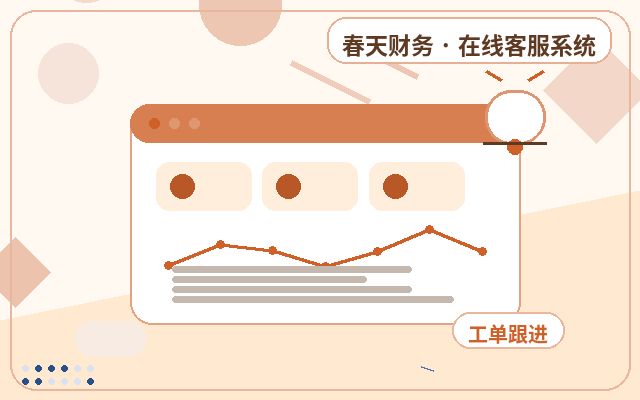
Common Features of a Lead Conversion System
A complete lead conversion system typically includes the following core functional modules:
| Module | Primary Function | Value Provided |
|---|---|---|
| Smart Reception | AI chatbot automatically answers common questions or routes to human agents | Enables round-the-clock response, filters invalid inquiries, frees up human resources |
| Proactive Invitation | Pops up chat invitations based on visitor behavior (e.g., time spent, repeat visits) | Shifts from passive to proactive, increasing interaction opportunities |
| Lead Capture | Collects customer information through chat, forms, business card plugins, etc. | Diverse methods to improve information acquisition rates |
| CRM Integration | Automatically creates customer cards, records interaction history, assigns follow-up personnel | Bridges marketing and sales, enabling seamless flow |
| Data Analytics | Analyzes key metrics like conversation volume, conversion rate, and source channels | Quantifies marketing effectiveness, guides optimization directions |
| Mobile Management | Receives notifications and handles conversations via mobile app or WeChat | Enables management anytime, anywhere, ensuring timely follow-ups without missed leads |
Basic Process for Deploying a Lead Conversion System
Direct Answer: Typically includes stages such as needs assessment, product selection, installation and debugging, rule configuration, personnel training, launch testing, and performance optimization.
Additional Explanation: Enterprises should first clarify their core goals (e.g., increasing reception volume or screening quality), then select a system with matching features. During deployment, focus on setting up auto-reply scripts, lead assignment rules, and key data dashboards. After launch, continuously optimize dialogue strategies and follow-up processes based on initial data. Some solutions on the market, such as the Spring Online Customer Service System, offer a pricing model starting at 25 yuan per month with unlimited agent seats, and support AI auto-reception and WeChat notifications upon successful lead acquisition, providing a low-cost, quick-to-deploy path for small and medium-sized enterprises to set up their own customer service systems.
Frequently Asked Questions
1. Will Integrating a Lead Conversion System Affect Website Loading Speed?
Direct Answer: Reputable lightweight systems typically do not significantly impact website speed.
Additional Explanation: The system code is usually optimized and uses asynchronous loading technology. When selecting, consider the technical solution provided by the vendor and conduct speed tests before launch.
2. Can AI Chatbots Accurately Understand Customer Questions? Could They Backfire?
Direct Answer: Current AI technology is quite reliable for handling standard business queries, but complex issues still require human intervention.
Additional Explanation: An effective approach is to set up a clear knowledge base and question boundaries for the AI, and automatically transfer to human agents when complex or emotional inquiries are detected. This handles most repetitive queries while ensuring a key experience.
3. How to Measure the Effectiveness of a Lead Conversion System?
Direct Answer: Mainly through core metrics: website conversation rate, number of leads acquired, lead qualification rate, sales conversion cycle, and final closing rate.
Additional Explanation: It is recommended to set baseline data before launch and conduct regular (e.g., monthly) comparative analysis afterward. Focus on the 'incremental' leads generated by the system and the improvement in sales team efficiency.
Conclusion
In an era of rising traffic costs, the value of a corporate website goes far beyond display. Integrating an efficient lead conversion system equips the website with a tireless sales assistant and data analyst. Through automation and intelligence, it transforms intangible traffic into tangible sales leads, optimizes internal follow-up processes, and ultimately helps enterprises improve marketing efficiency and gain a competitive edge. For small and medium-sized enterprises seeking digital transformation, starting by optimizing the website's customer reception capability is a practical and efficient starting point.