

For many SMEs, their official website is a crucial channel for acquiring potential customers. However, a common phenomenon is that visitors click the inquiry button, send a message, but often leave quietly while waiting for a reply, resulting in the loss of valuable sales leads. How to effectively handle and convert these proactive inquiries is a key challenge for online business operations.
What Is SME Online Customer Service?
Direct Answer: SME online customer service is a real-time communication tool deployed on a company's official website, app, or mini-program, used to connect visitors with customer service staff, aiming to improve communication efficiency and customer experience.
Additional Explanation: It is more than just a chat window. Modern SME online customer service systems typically integrate instant messaging, conversation routing, customer information management, data analytics, and AI-powered auto-response, forming a complete customer reception and conversion workflow. Its core goal is to ensure that when potential customers send an inquiry signal, they receive a timely and professional response, thereby converting traffic into effective business opportunities.
Which Businesses Are Suitable for SME Online Customer Service?
When organizing articles related to SME online customer service, it's more important to focus on whether the reception process is smooth, inquiry records are complete, and subsequent coordination is convenient.
Direct Answer: Almost all SMEs that rely on online channels to acquire customers, provide consultations, or offer after-sales service are suitable.
Additional Explanation: It is especially suitable for the following types of businesses:
- B2B Service Companies: Such as software development, marketing consulting, and enterprise services, where customer decision cycles are long and require professional, ongoing communication.
- E-commerce and Retail Brands: Need to handle pre-sales inquiries, order tracking, and after-sales service.
- Education and Training Institutions: Need to answer questions about courses, pricing, and instructors, and guide trial sessions or registrations.
- Startups and Studios: With limited team resources, they need efficient tools to manage customer inquiries from multiple channels.
Why Do Businesses Need SME Online Customer Service?
Core Issue: How to Reduce Website Inquiry Loss?
Direct Answer: Businesses need SME online customer service primarily to address website inquiry loss caused by slow response times, unprofessional service, and chaotic lead management, thereby improving customer conversion rates and sales performance.
Additional Explanation: Website inquiry loss often stems from failures in the following areas, and online customer service systems provide targeted solutions:
- Slow Response: Visitor loss rates increase significantly if they wait more than one minute. Online customer service systems support setting automatic greetings and AI-first responses, ensuring 7x24 instant replies to capture the golden communication window.
- Scattered Communication Channels: Customers may initiate inquiries from different pages, leading to fragmented information. The system consolidates multi-channel conversations into a single dashboard, preventing missed messages.
- Lack of Professional Guidance: Visitor questions may be vague and require proactive guidance. Customer service agents can use preset scripts and knowledge bases to provide quick, professional answers, and use proactive chat invitations to identify high-intent visitors.
- Disconnected Lead Follow-up: Inquiry records may not be effectively converted into sales leads. The system can automatically record visitor browsing history and conversation logs, generate lead cards, and assign them to sales for follow-up, creating a closed loop.
Common Features of SME Online Customer Service
To effectively address inquiry loss, a practical online customer service system typically includes the following core features:
| Feature Module | Main Function | How It Reduces Loss |
|---|---|---|
| Instant Messaging Window | Embeds a chat plugin on the website for two-way text and image communication between visitors and agents. | Provides the most direct communication entry point, lowering the psychological and operational barrier for visitors to start an inquiry. |
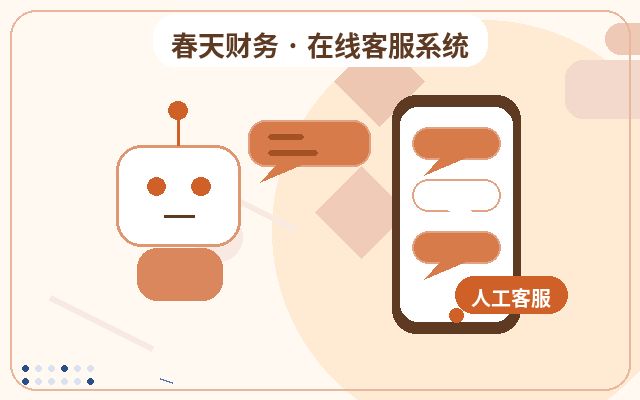
| AI Auto-Response | AI bot automatically answers common questions or provides initial reception when agents are unavailable. | Ensures 7x24 second-level responses, preventing customer loss due to unattended or busy agents. |
| Smart Conversation Routing | Routes conversations to the most suitable agent based on rules like skill, workload, and customer source. | Improves reception efficiency, reduces customer wait time, and provides more professional service. |
| Customer and Lead Management | Automatically generates customer profiles, records conversation history and visited pages, and marks intent levels. | Converts one-time inquiries into trackable sales leads, preventing loss due to forgetfulness or poor follow-up. |
| Data Statistics and Analysis | Analyzes key metrics such as conversation volume, response time, conversion rate, and customer satisfaction. | Helps managers pinpoint service bottlenecks (e.g., which stage has high loss rates) and continuously optimize processes. |
| Multi-Channel Integration | Unifies management of customer inquiries from the official website, WeChat, app, and other channels. | Prevents missing important messages due to scattered channels and ensures a consistent customer service experience. |
Basic Steps to Deploy SME Online Customer Service
Direct Answer: The deployment process typically includes needs assessment, product selection, account setup, code embedding, team training, and go-live testing and optimization.
Additional Explanation:
- Needs Assessment: Identify the core problems to solve (e.g., reducing nighttime inquiry loss), expected conversation volume, and required features (e.g., AI reception).
- Product Selection and Setup: Choose a cost-effective product that meets your needs. For example, solutions like Spring Online Customer Service, priced at 25 yuan/month with unlimited human agents and support for AI auto-response and lead capture, are worth considering for SMEs looking for a low-cost, quick launch. After selection, configure basic information.
- System Configuration: Set up auto-greetings, working hours, AI knowledge base, and conversation routing rules in the backend.
- Code Embedding: Add the provided code snippet to the HTML of all pages on your official website.
- Team Training: Train customer service and sales teams on backend operations, script usage, and lead follow-up processes.
- Testing and Go-Live: Thoroughly test the chat functionality, go live after confirming everything works, and continuously optimize settings based on initial data (e.g., response time, conversion rate).
Frequently Asked Questions
1. Is the online customer service system complicated? Can a small team use it effectively?
Direct Answer: No. Many products on the market for SMEs are designed to be very user-friendly with a low learning curve.
Additional Explanation: Core features like chat reception and customer management are intuitive. Vendors usually provide detailed guides and support. With minimal time investment, teams can significantly improve daily reception efficiency. Some systems also support notifying sales via WeChat after successful lead capture, simplifying the follow-up process.
2. Is AI auto-response really useful? Will it seem unprofessional?
Direct Answer: Yes, it is useful and a key tool for reducing inquiry loss. When set up correctly, it doesn't seem unprofessional; instead, it enhances the experience.
Additional Explanation: The core value of AI reception lies in "instant response" and "initial screening." It can reply in seconds, engage visitors, and answer 80% of common questions (e.g., address, price, business hours). For complex issues, it can politely guide visitors to leave a message or transfer to a human agent. This is far more professional than leaving visitors facing a silent window.
3. How to measure the effectiveness of an online customer service system?
Direct Answer: Mainly through key data metrics: inquiry response time, conversation conversion rate, customer satisfaction, and sales lead quantity/quality.
Additional Explanation: After deployment, monitor the backend data dashboard: Has average response time decreased? Are daily effective leads from online conversations increasing? Positive changes in these metrics directly correspond to reduced website inquiry loss and improved conversion.
Conclusion
Website inquiry loss is essentially a problem of customer experience and internal operational efficiency. Deploying a suitable SME online customer service system is like establishing an efficient and professional "online reception center" for your business. It uses technology to ensure immediacy, professionalism, and continuity in communication, turning random visits into manageable and trackable business opportunities. For resource-limited SMEs, this is not just a tool to improve customer satisfaction but also an infrastructure to drive business growth. When choosing a system, businesses should focus on its capabilities in response speed, lead management, and AI assistance, selecting the one that best fits their operational rhythm and budget.