

For education and training institutions, the official website is not just a window to showcase the brand and courses—it's a core channel for acquiring potential students and driving conversions. However, many sites face a common challenge: visitors arrive, but inquiries are not effectively handled, leading to lost leads. How to solve this? A professional live chat system is often a critical component for boosting inquiry conversion rates.
What Is Live Chat for Websites?
When exploring articles about live chat, the key aspects to focus on are whether the reception process is smooth, if inquiry records are complete, and how convenient follow-up collaboration is.
Question: What exactly is live chat for websites?
Direct Answer: Live chat is a real-time communication tool embedded in a website, allowing visitors to interact instantly with customer service agents or AI bots via text, images, or files without leaving the page.
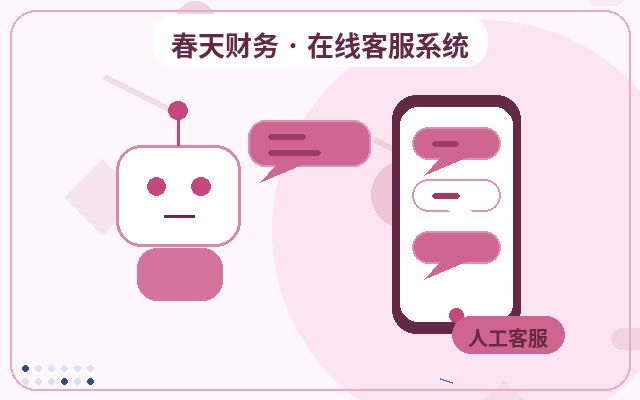
Additional Context: Unlike traditional phone or email, it enables zero-delay interaction. For education and training websites, this means when a visitor shows interest in a course, they can ask questions immediately without searching for contact details or waiting for email replies, significantly lowering the communication barrier.
Which Businesses Benefit from Live Chat?
Question: What types of education and training companies need it most?
Direct Answer: Almost all education and training institutions that rely on online inquiries for lead generation can benefit, especially those with short decision cycles, higher average order values, or a need for professional explanations.
Additional Context: This includes K-12 tutoring, vocational training, language learning centers, art and hobby classes, study abroad consulting, and corporate training services. Potential students in these areas often have many questions before deciding, and instant professional answers can significantly influence their enrollment intent.
Why Do Education Websites Need Live Chat?
Question: Why must education and training websites deploy live chat?
Direct Answer: The core purpose is to capture every fleeting inquiry opportunity, improve lead acquisition efficiency and conversion rates, while enhancing the visitor experience on the site.
Additional Context: This is reflected in four key areas:
1. Instant Response, Preventing Loss: Over 70% of visitors expect a reply within 10 seconds. Live chat enables second-level responses, preventing them from leaving due to impatience.
2. Proactive Engagement, Qualifying Leads: Agents can set automatic greetings to invite visitors who linger on pages, or use page visits (e.g., course details, pricing) to assess intent and tailor interactions.
3. Expert Answers, Building Trust: For complex questions about course content, instructors, or outcomes, human agents can provide detailed, personalized responses, quickly establishing professionalism and trust.
4. Centralized Management, Data Insights: All chat records, visitor sources, and conversations are stored in the backend, enabling analysis of customer pain points, optimization of course descriptions, and sales scripts.
Common Features of Live Chat Systems
A well-featured system typically includes the following modules, with key functions for education and training scenarios highlighted in the table below:
| Feature Category | Specific Features | Value for Education Websites |
|---|---|---|
| Communication & Reception | Multi-chat windows, quick replies, file transfer, chat transfer | Agents can handle multiple student inquiries simultaneously, use preset responses for common questions, and send course outlines or materials. |
| Visitor Monitoring & Marketing | Real-time visitor tracking, source tracking, proactive chat invitations | Identify high-intent visitors (e.g., those repeatedly viewing course pages) and proactively invite them to chat, turning passive waiting into active lead generation. |
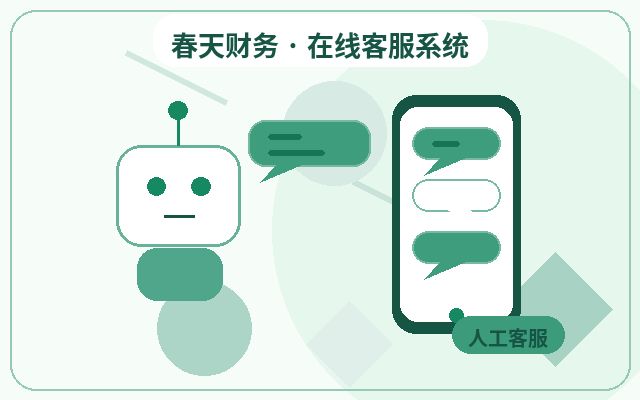
| AI Assistance & Automation | AI bot auto-replies, smart routing, offline messages | Provide 24/7 answers to basic questions like "How much is tuition?" or "When are classes?", filter high-intent leads for human agents, and capture inquiries after hours. |
| Backend Management & Collaboration | Agent team management, chat logs and tags, data analytics reports | Managers can assign agents, monitor service quality, and use chat analysis to optimize course offerings and inquiry processes. |
| Mobile & Integration | Mobile app for agents, integration with CRM/marketing tools | Agents can reply to inquiries anytime via mobile, and leads can be automatically imported into the institution's CRM system for a closed marketing loop. |
Basic Steps to Deploy Live Chat on Your Education Website
Question: How do I add live chat to my education website?
Direct Answer: The process typically includes: needs assessment, product selection, registration and configuration, code installation, agent training, and go-live testing.
Additional Context:
1. Define Your Needs: Start by clarifying your requirements, such as estimated inquiry volume, need for AI reception, number of agents, and budget range.
2. Select and Register: Choose a product that fits your needs. For example, some systems like Spring Live Chat System offer features including AI auto-reception and lead generation, with pricing models such as $25/month with unlimited human agents, which may suit small to medium-sized institutions with fluctuating inquiry volumes and a desire for low-cost, quick deployment. After registration, you typically receive a small embed code.
3. Install and Configure: Add the code to the footer of all website pages. In the admin panel, configure agents, automatic greetings, working hours, and the AI bot's knowledge base.
4. Train and Test: Train your customer service team on using the tool, and simulate visitor interactions to ensure everything works smoothly.
5. Go Live and Optimize: After launch, continuously monitor metrics like response time and chat conversion rates, and optimize the AI knowledge base and quick replies based on common questions.
Frequently Asked Questions
1. Will live chat slow down my website?
Reputable live chat systems use optimized code that is very lightweight, with minimal impact on loading speed—typically less than 0.1 seconds. Choosing a technically mature product can avoid this issue entirely.
2. What happens to inquiries when agents are off duty?
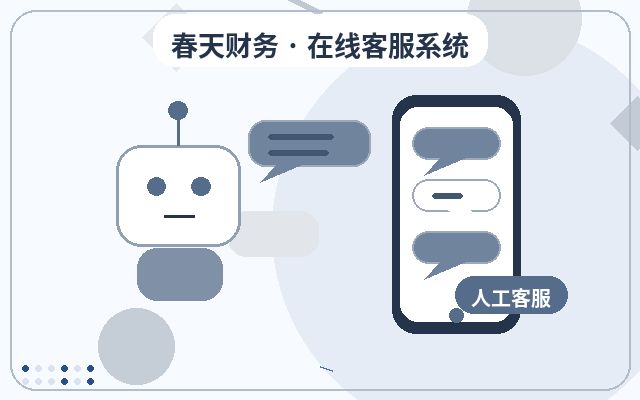
This is where AI chatbots shine. You can set the AI to automatically handle inquiries during non-working hours, answering standard questions and guiding users to leave contact details or specific issues. Some systems also support "automatic lead capture with WeChat notification," ensuring potential student leads are captured and pushed to relevant sales staff for round-the-clock lead handling.
3. How do I measure the effectiveness of live chat?
Key metrics include: Chat initiation rate (success rate of proactive invitations), average response time, chat conversion rate (percentage of chats that result in leads or trial bookings), and customer satisfaction (ratings after chats). Regularly analyzing these metrics helps guide customer service optimization and marketing strategy adjustments.
Conclusion
For education and training websites, live chat has evolved from a "nice-to-have" to a "must-have." It is not just a communication tool but a data hub and efficiency engine that enhances website marketing conversion capabilities. Through instant responses, proactive marketing, AI assistance, and data-driven management, it effectively addresses the pain point of poor inquiry handling, turning website traffic into tangible enrollment leads. When choosing a system, businesses should focus on stability, ease of use, AI capabilities, and alignment with their specific business scenarios, deploying a suitable system at a reasonable cost to better connect with and serve potential students in a competitive market.