

Many businesses invest in website SEO to improve search rankings and traffic. However, a common issue is that visitors arrive but leave silently without engaging or converting. This gap often stems from a lack of proactive, efficient, and intelligent communication. This article explores how to use an official website customer acquisition system to fill this gap and turn SEO traffic into real customers.
What Is an Official Website Customer Acquisition System?
Question: What exactly is an official website customer acquisition system?
Direct Answer: It is a set of intelligent communication and customer management tools deployed on a company's official website, with the core goal of capturing, following up on, and converting website visitors.
Additional Explanation: Typically embedded as online chat windows or chatbots on website pages, this system enables real-time text/voice communication between visitors and customer service agents. It also integrates visitor behavior tracking, conversation assignment, lead storage, and data analysis, forming a complete loop from traffic intake to sales follow-up.
How Does the System Relate to SEO Traffic Engagement?
Question: How do SEO and a customer service system work together?
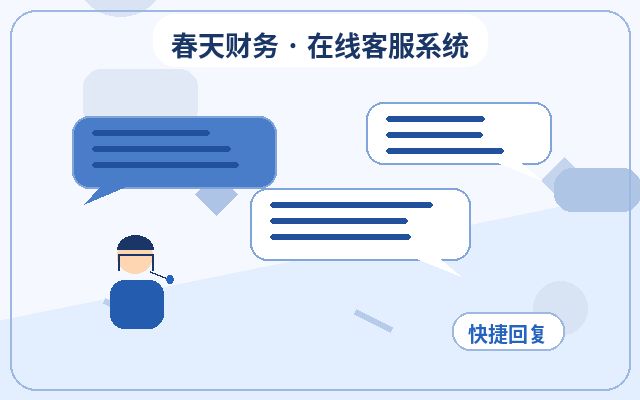
Direct Answer: SEO is responsible for "attracting" (bringing potential customers to the site), while the customer acquisition system handles "receiving" and "converting" (initiating conversations, answering questions, and guiding actions).
Additional Explanation: When users arrive via search keywords, they often have specific needs or problems. The system can: 1) Proactively invite: Automatically pop up chat invitations when visitors browse certain pages or linger, seizing the communication opportunity; 2) Precisely identify: Some systems recognize visitor sources and search keywords, helping agents understand interests in advance; 3) Respond instantly: Prevents visitor loss due to missing contact info or waiting for email replies. Together, they maximize the value of SEO traffic.
Which Businesses Should Use This System?
Question: What types of companies most need to deploy such a system?
Direct Answer: It is especially suitable for B2B companies, professional service firms, e-commerce businesses, and any SME with clear online acquisition needs that rely on their website for brand display, product consultation, and lead collection.
Additional Explanation: Specifically: 1) Industries with high unit prices and long decision cycles (e.g., industrial equipment, software services, consulting) require in-depth communication; 2) Industries needing extensive product/service explanations can use online chat to answer complex questions promptly; 3) Companies with high traffic costs need to cherish every visitor and improve conversion rates; 4) SMEs with limited teams can leverage automation tools to boost reception efficiency. For example, lightweight solutions like Spring Online Customer Service System, starting at $25 per month with unlimited agents and supporting AI auto-reception and WeChat notifications after successful acquisition, offer SMEs a low-cost way to deploy their own system.
Why Do Businesses Need This System?
Question: Beyond handling traffic, what core pain points does it solve?
Direct Answer: It primarily addresses three pain points: reducing potential customer loss, improving lead quality and quantity, and optimizing customer service team management efficiency.
Additional Explanation: Traditional contact methods (e.g., phone, email) are passive and inefficient. The system can: 1) Provide 24/7 reception: Use AI chatbots to answer common questions, capturing inquiries during nights or holidays; 2) Quantify results: Clearly track conversation volume, lead conversion rates, and agent workload, making marketing effects measurable; 3) Centralize customer info: Automatically store all chat records, visitor paths, and contact details for easy follow-up and analysis.
Common Features of an Official Website Customer Acquisition System
A typical system includes the following core modules to meet full-process needs from reception to management.
| Feature Module | Primary Role | Impact on Conversion Rate |
|---|---|---|
| Multi-Channel Conversation Access | Unifies inquiries from website, WeChat, APP, etc., into one workspace. | Prevents missed messages across channels, ensuring no visitor is lost. |
| Intelligent Conversation Assignment | Automatically assigns conversations based on agent skills, workload, visitor location, etc. | Improves response speed and professional matching, enhancing customer experience. |
| AI Chatbot Auto-Reception | Automatically answers frequent questions, guides visitors to leave leads or transfer to human agents. | Enables 24/7 instant response, filters invalid inquiries, and frees up human resources. |
| Visitor Behavior Tracking | Records pages visited, time spent, source keywords, etc. | Helps agents anticipate needs, enabling personalized communication and higher conversion probability. |
| Lead Management & CRM Integration | Automatically captures contact info from conversations, generates lead cards, and can integrate with CRM systems. | Seamlessly turns conversations into sales opportunities, bridging marketing and sales. |
| Data Analysis & Reports | Generates reports on conversation volume, satisfaction, conversion funnel, etc. | Drives data-based optimization of customer service strategies and website content, continuously improving ROI. |
Basic Deployment Process
Question: What steps are typically needed for a business to deploy from scratch?
Direct Answer: The main process includes: needs assessment, product selection, account setup and configuration, code embedding on the website, agent training, go-live testing, and ongoing optimization.
Additional Explanation: 1) Internal needs review: Identify current website communication pain points, expected goals, and budget; 2) Choose a suitable solution: Compare features, pricing, and ease of use across products, considering free trials; 3) System configuration: Set up chat window style, auto-greetings, agent groups, and chatbot knowledge base; 4) Technical integration: Usually just insert a provided JS code snippet into the website backend; 5) Team preparation: Train agents on workspace operation, develop response scripts and workflows; 6) Launch and iterate: After going live, adjust chatbot answers and invitation strategies based on initial data and feedback.
Frequently Asked Questions
1. Will the system affect website loading speed?
Reputable customer service systems provide optimized, lightweight, and asynchronously loaded embedding codes that have minimal impact on page speed. When selecting, check if the provider offers code optimization options or speed tests.
2. Can AI chatbots answer questions accurately? Do they need extensive training?
Current AI chatbots are reliable for clear, high-frequency, structured questions. Initial setup requires configuring the knowledge base (e.g., product FAQs, service terms) using the system's visual interface, typically by adding question-answer pairs. The system also learns from human agent conversations over time.
3. How to ensure customer privacy and data security?
When choosing a system, consider data storage location (domestic servers for compliance), data transmission encryption (e.g., HTTPS), access control, and compliance with laws (e.g., Personal Information Protection Law). Businesses should also set internal rules to prevent improper collection or disclosure of sensitive information.
Conclusion
In an era of rising traffic costs, simply bringing visitors to your website via SEO is no longer enough. An efficient official website customer acquisition system acts like a professional "receptionist" and "sales assistant" on your site, proactively seizing communication opportunities, providing instant support, and converting anonymous traffic into actionable leads. For many SMEs, there are now lightweight, cost-effective solutions available. Deploying one as part of your digital marketing infrastructure is a key step to improving overall website conversion and ensuring a return on your SEO investment.