

Why Lead Scoring Is Necessary for Outsourced Customer Service
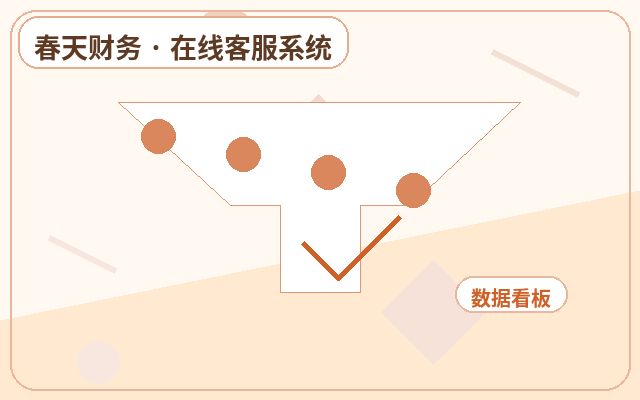
When a company outsources customer service for its official website marketing hub, it receives a high volume of daily inquiries. If outsourced agents treat all leads equally, high-quality leads may get lost while low-intent customers consume excessive time. Lead scoring helps outsourced teams quickly identify high-value customers, allocate efforts efficiently, and boost overall conversion effectiveness.
Core Dimensions of Lead Scoring
Source Channels
The quality of leads varies by promotion channel. For example, brand keywords and long-tail keywords in search ads tend to be more precise than generic terms; social media referrals may require longer nurturing. Companies can assign initial weights to each channel based on historical data.
User Behavior
User browsing depth on the website, types of pages visited (e.g., product pages, pricing pages, case study pages), time spent, and repeat visits all reflect interest levels. Technically, these behaviors can be tracked using website analytics tools or CRM systems and converted into scores.

Inquiry Content
Outsourced agents assess customer intent during conversations. For instance, customers who directly ask about pricing, delivery times, or technical parameters are often more urgent than those with general inquiries. Agents can use preset scripts to guide conversations and record information such as demand clarity, budget range, and decision-making roles.
Common Lead Scoring Models
| Grade | Characteristics | Recommended Action |
|---|---|---|
| A-Level | Clear needs, budget, and decision-making authority, or already in the comparison phase | Prioritize handling; promptly transfer or arrange for senior sales follow-up |
| B-Level | Relatively clear needs but still comparing or requiring more information | Regular follow-up; provide targeted materials or case studies |
| C-Level | Only learning about the product or showing potential interest, with no concrete plans yet | Nurture and maintain contact via email or social media channels |
Implementation Steps
- Define Scoring Criteria: Establish specific indicators for each grade based on business characteristics, such as source, behavioral scores, and conversation keywords.
- Train the Outsourced Team: Ensure agents understand the scoring logic and know how to collect and record key information.
- Configure Tool Support: Set up tags and scoring rules in the customer service system or CRM to automate some judgments.
- Regularly Review and Optimize: Analyze conversion rates for each lead grade monthly, adjusting score weights and follow-up strategies as needed.

Key Considerations
- Avoid overcomplicating: Keep scoring rules simple—focus on 3-5 key variables initially to ensure outsourced agents can execute them easily.
- Ensure timely information sync: Share scoring results with the sales team in real time or daily to prevent lead flow delays.
- Respect customer experience: Provide differentiated service based on lead grades, but maintain professionalism with low-intent customers without neglecting them.
- Stay flexible: Lead quality may vary by season or during campaigns; calibrate standards dynamically.
FAQ
What else do outsourced agents need to do after lead scoring?
Agents primarily perform initial classification and preliminary communication. High-grade leads are promptly transferred, while mid- and low-grade leads are followed up periodically or sent materials, with supplementary information recorded for the company's reference.

Can lead scoring be done without a CRM system?
Yes. Initially, you can use Excel or online spreadsheets, with agents manually filling in scoring results. As the business grows, consider introducing a lightweight CRM.
Lead scoring is not a one-time task but an ongoing optimization process. Companies can gradually refine their scoring models based on their business rhythm, enabling outsourced teams to become true drivers of sales conversion.